
6 DIY Plant Fertilizer Recipes from Your Kitchen
Houseplants and gardens thrive when given the right nutrients—but you don’t need to spend a fortune on store-bought fertilizers. In fact, your kitchen is already stocked with ingredients that double as plant boosters. These DIY plant fertilizer recipes from your kitchen are cost-effective, eco-friendly, and surprisingly powerful when used correctly.
In this guide, you’ll find specific amounts, how often to apply them, and when to use each homemade fertilizer so your plants get the nutrients they need, without the guesswork.
Table of Contents
1. Banana Peel Fertilizer (Potassium & Phosphorus Boost)
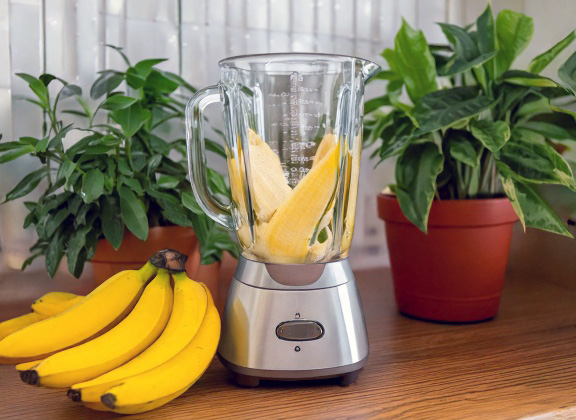
Banana peels are packed with potassium and phosphorus, nutrients that encourage flowering and root health.
How to make it:
- Blend 2 banana peels with 4 cups of water until smooth.
- Pour the mixture around the base of flowering plants like Succulents, Orchids, or tropical houseplants like Pothos and Snake plant.
When to use:
- Apply once per month during spring and summer when plants are actively growing.
- Skip during winter dormancy.
2. Coffee Grounds Fertilizer (Nitrogen Kick)
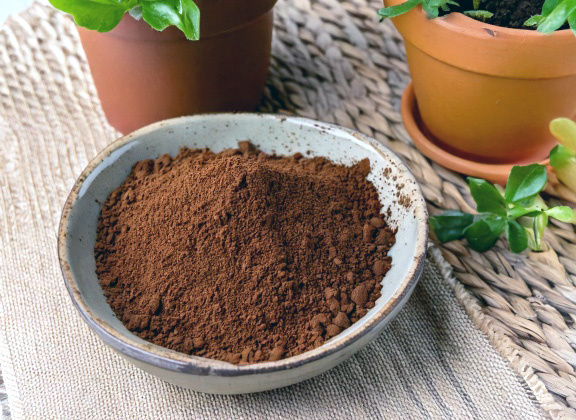
Used coffee grounds are an excellent nitrogen source but must be used sparingly.
How to use:
- Mix 1 tablespoon of used coffee grounds into the topsoil of medium-sized pots.
- Alternatively, steep grounds in 2 cups of water overnight and use as a liquid fertilizer.
When to use:
- Apply every 2–4 weeks during the growing season.
- Avoid overuse, as too much nitrogen can burn roots.
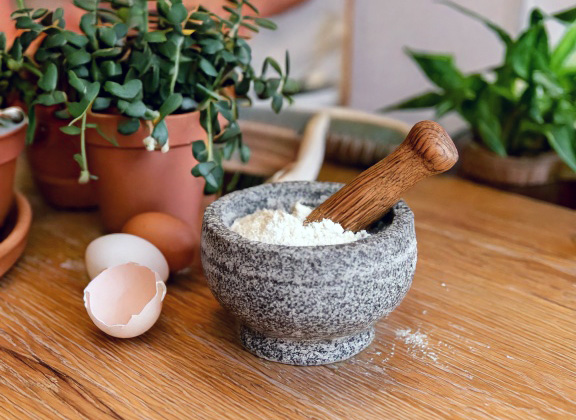
3. Crushed Eggshell Fertilizer (Calcium Source)
Eggshells are rich in calcium and strengthens cell walls in houseplants.
How to make it:
- Rinse and dry shells from 6 eggs, then crush into a fine powder.
- Sprinkle 1 teaspoon of eggshell powder per 6-inch pot and mix lightly into the soil.
When to use:
- Apply every 6 weeks year-round for calcium-loving plants like Peace lilies, Philodendrons, and Snake plants.
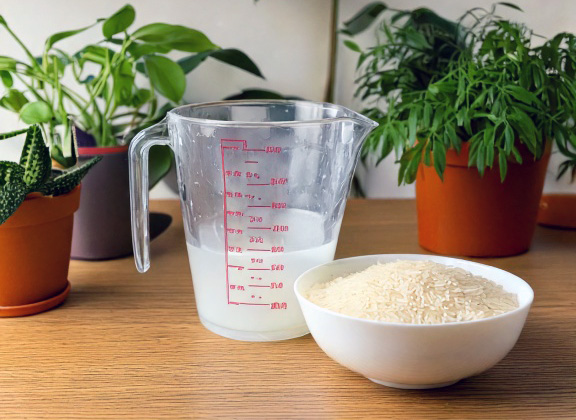
4. Rice Water Fertilizer (Mild All-Purpose Feed)
The water you drain from cooking rice contains starch and trace nutrients that benefit most houseplants.
How to use:
- Save the cooled water from rinsing or boiling rice.
- Use ½–1 cup per small houseplant or 2 cups per medium pot once per week.
When to use:
- Works best year-round as a gentle, ongoing fertilizer.
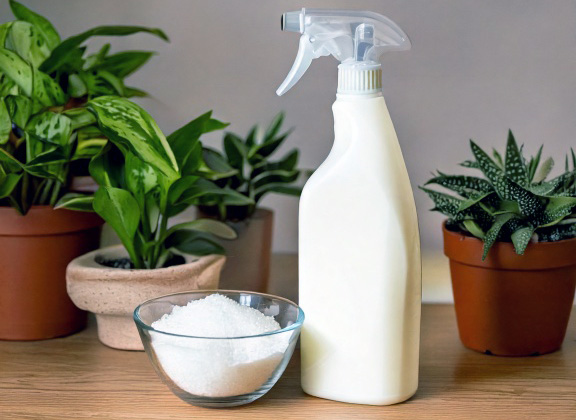
5. Epsom Salt Fertilizer (Magnesium & Sulfur Boost)
Epsom salt replenishes magnesium and sulfur, essential for healthy leaf color and nutrient absorption. Read more about the benefits, some cautions, and exactly when to use epsom salt fertilizer over on the This Old House web site.
How to use:
- Dissolve 1 tablespoon of Epsom salt per gallon of water.
- Use as a soil drench or spray on leaves.
When to use:
- Apply once per month during the growing season.
- Great for tomatoes, peppers, and leafy greens.
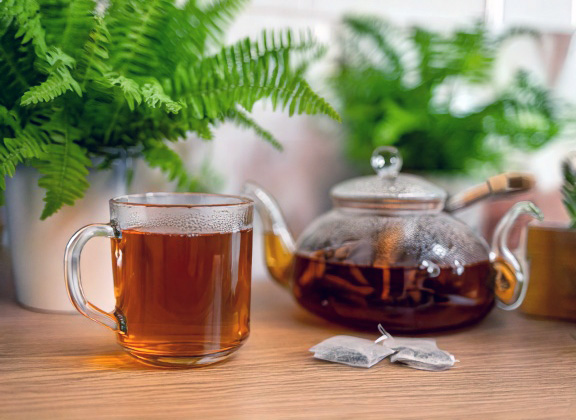
6. Used Tea Leaves Fertilizer (Acid-Loving Plant Food)
Tea leaves add nitrogen and tannins that acidify soil—perfect for hydrangeas, ferns, and African violets.
How to use:
- Sprinkle 1 teaspoon of used tea leaves per 6-inch pot and gently mix into the soil.
- Alternatively, steep in water for a mild liquid feed.
When to use:
- Apply once per month during spring and summer.
Seasonal Fertilizing Tips using these DIY Plant Fertilizer Recipes
- Spring & Summer: Fertilize more frequently (every 2–4 weeks) since plants are actively growing.
- Fall & Winter: Slow down or pause fertilizing, as most houseplants go dormant.
- Container Plants: Need more frequent feeding than in-ground plants since nutrients leach out with watering.