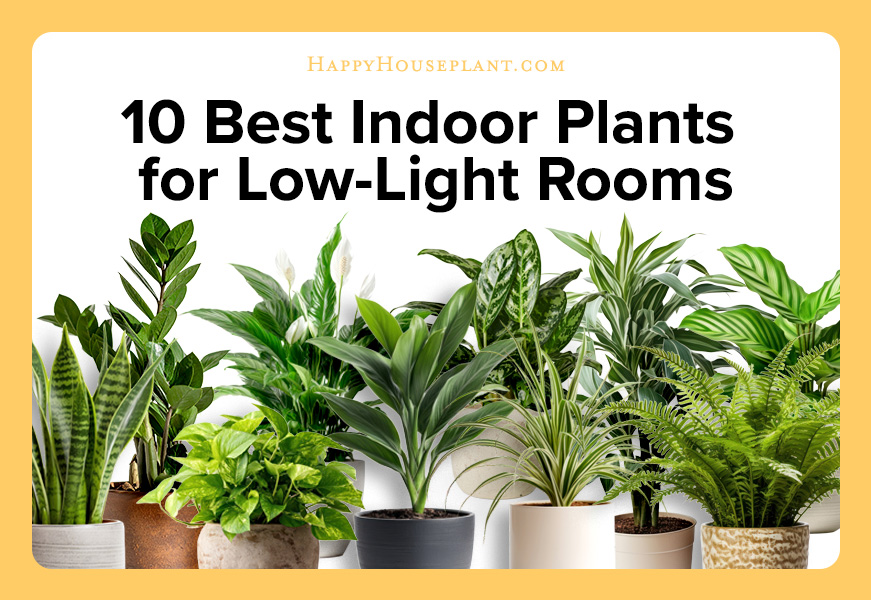
10 Best Indoor Plants for Low-Light Rooms
If your home has rooms with limited natural light, you might think your indoor plant dreams are over. Fortunately, there are numerous plants for low-light rooms that thrive in dim conditions, adding greenery and life to even the shadiest corners. In this guide, we’ll explore the top low-light houseplants that are perfect for spaces with minimal sunlight.
Table of Contents
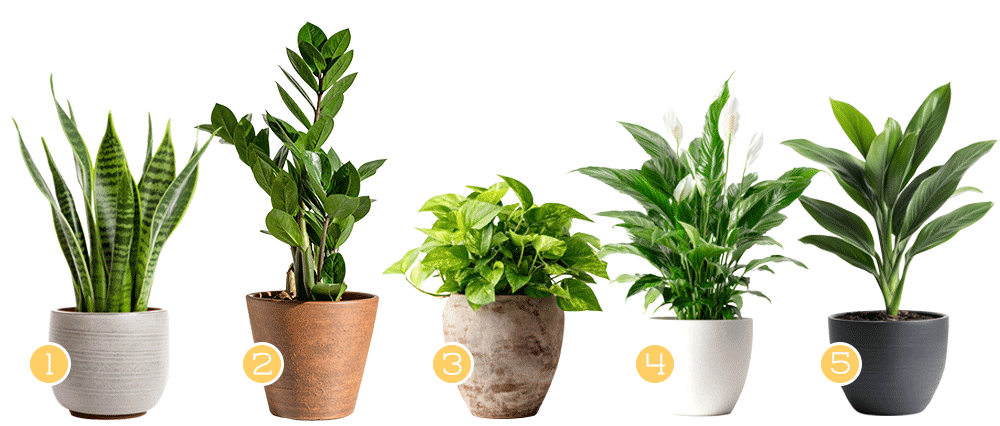
1. Snake Plant (Sansevieria trifasciata)
Snake plants are renowned for their resilience and adaptability. They can tolerate low light and infrequent watering, making them ideal for beginners or those with less-than-ideal lighting conditions. Their upright, sword-like leaves add a modern touch to any room.
2. ZZ Plant (Zamioculcas zamiifolia)
The ZZ plant is a favorite among indoor plant enthusiasts due to its glossy, dark green leaves and tolerance for low light. It’s also drought-tolerant, requiring minimal care and making it perfect for busy individuals.
3. Pothos (Epipremnum aureum)
Pothos is a versatile vine that thrives in low light and can adapt to various indoor conditions. Its trailing vines and heart-shaped leaves make it an attractive addition to any space. Pothos is also known for its air-purifying qualities.
4. Peace Lily (Spathiphyllum)
Peace lilies are not only beautiful with their white blooms but also excel in low-light environments. They can tolerate shade and even help purify indoor air, making them both functional and decorative.
5. Cast Iron Plant (Aspidistra elatior)
As the name suggests, the cast iron plant is incredibly hardy. It thrives in low light and can withstand neglect, making it perfect for those new to plant care or with less-than-ideal conditions.
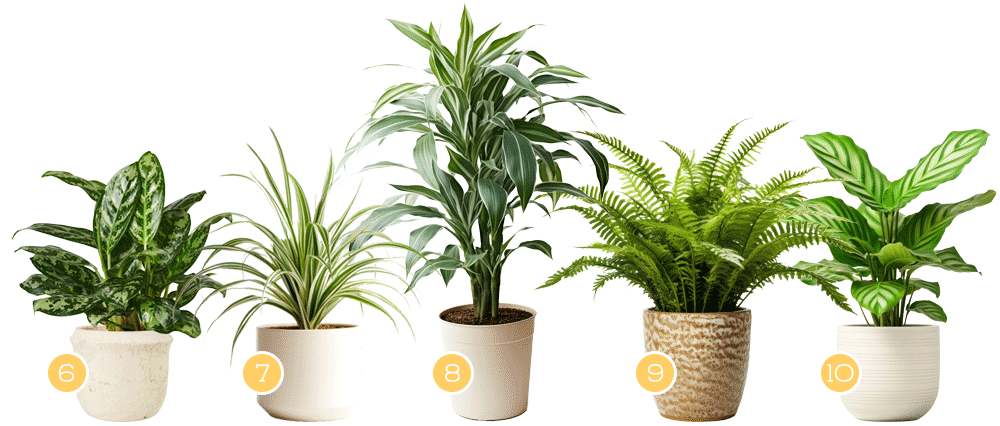
6. Chinese Evergreen (Aglaonema)
Chinese evergreens are known for their attractive foliage and ability to thrive in low-light conditions. They come in various colors and patterns, adding a splash of interest to any room.
7. Spider Plant (Chlorophytum comosum)
Spider plants are adaptable and can tolerate low light. They produce “pups” or baby plants that can be propagated, making them a fun and rewarding plant to care for.
8. Dracaena
Dracaenas are a group of plants that can thrive in low light. They have striking foliage and can add a tropical feel to your indoor space.
9. Ferns (e.g., Boston Fern, Maidenhair Fern)
Many fern varieties, such as the Boston and Maidenhair ferns, can adapt to low-light conditions. They prefer high humidity and consistent moisture, making them suitable for bathrooms or kitchens with indirect light.
10. Calathea
Calatheas are known for their beautiful, patterned leaves and ability to thrive in low light. They prefer humid environments and can add a touch of elegance to any room.
Tips for Caring for Plants for Low-Light Rooms
- Watering: Overwatering is a common mistake. Ensure the top inch of soil is dry before watering.
- Humidity: Many low-light plants, like ferns and calatheas, prefer higher humidity levels. Consider using a humidifier or placing plants on a tray with pebbles and water.
- Cleaning: Dust can block light absorption. Regularly wipe the leaves with a damp cloth to keep them clean and efficient in photosynthesis.
- Rotation: Even low-light plants benefit from occasional rotation to ensure all sides receive some light exposure.
Further Reading
9 Best Indoor Plants for Windowless Rooms – Times of India
12 Easy Low-Light Plants for Every Corner of Your Home – Bloomscape
30 Best Low-Light Indoor Plants – HGTV
Having a low-light room doesn’t mean you have to forgo indoor plants. With the right selection, you can enjoy the beauty and benefits of greenery in any space. The plants for low-light rooms mentioned above are not only resilient but also add aesthetic value to your home. Remember to consider each plant’s specific care requirements to ensure they thrive in your indoor environment.
Images by rawpixel.com