Anthurium Care Guide
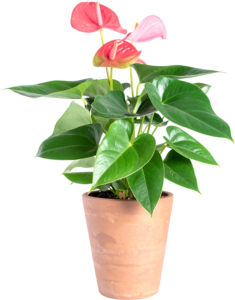
Anthurium, also known as the Flamingo Flower or Laceleaf, is a striking tropical plant prized for its glossy, heart-shaped leaves and bright, waxy flowers. The blooms, which are actually modified leaves called spathes, can last for weeks and come in shades of red, pink, white, and even purple. Anthuriums are an instant way to add elegance and a pop of color to your home. Though a little finicky, especially when it comes to humidity, with the right care they can bloom year-round indoors.
Quick Facts
| Category | Details |
|---|---|
| Light | Bright, indirect light |
| Watering | Allow top 1–2 inches to dry before watering |
| Soil Type | Loose, well-draining potting mix with orchid bark |
| Humidity | High (60–80%) |
| Fertilizer | High-phosphorus feed every 6 weeks in spring/summer |
| Propagation | Division or stem cuttings |
Care Tips
Light Requirements
Bright, indirect light is best. Too little light reduces flowering, while too much direct sun can burn the leaves. A spot near an east or shaded south-facing window works well.
 Watering
Let the top inch of soil dry out before watering again. Anthuriums don’t like sitting in soggy soil, so always use pots with drainage holes.
Soil Needs
These epiphytes need a loose, well-aerated mix similar to orchids. Combine potting soil, orchid bark, and perlite for the perfect balance.
Humidity
Aim for 60–80% humidity. Bathrooms with bright light are ideal, or supplement with a humidifier.
Fertilizing
Feed with a phosphorus-rich fertilizer (for better blooms) every 6–8 weeks during active growth. Reduce feeding in winter.
Propagation
Divide larger plants during repotting or root stem cuttings in water or moist soil.
Troubleshooting
Leaves turning brown at edges: Low humidity.
No flowers: Insufficient light or fertilizer.
Yellow leaves: Overwatering.
Styling Ideas
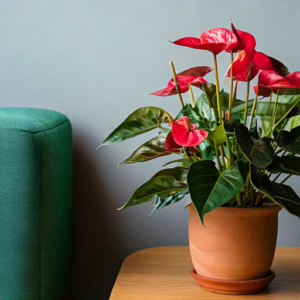
Anthuriums shine as statement plants on side tables or shelves. Their vibrant flowers pair beautifully with deep-green foliage plants like ZZ Plants or Philodendrons.
Related Resources
to come
👉 Explore more guides in the Happy Houseplant Encyclopedia.
(All images by rawpixel.com)