
Crown of Thorns Care Guide
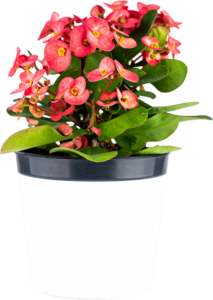 The Crown of Thorns (Euphorbia milii) is a bold and resilient succulent shrub known for its thorny stems and colorful bracts that resemble flowers. Native to Madagascar, this plant is incredibly tough—thriving on neglect while still producing vibrant red, pink, or yellow blooms almost year-round. With its sculptural form and bursts of color, Crown of Thorns is a favorite among collectors and casual houseplant enthusiasts alike. Plus, it’s drought-tolerant and adapts easily to indoor environments with bright light.
Quick Facts
| Category | Details |
|---|---|
| Light | Bright, direct sunlight preferred |
| Watering | Every 2–3 weeks; let soil dry fully |
| Soil Type | Sandy, fast-draining cactus mix |
| Humidity | Low to average; very tolerant |
| Fertilizer | Balanced fertilizer every 6 weeks in spring/summer |
| Propagation | Stem cuttings (careful of sap) |
Care Tips
Light
Crown of Thorns thrives in bright, direct sun—ideally 4–6 hours daily. Place near a sunny south-facing window or outdoors in summer.
Watering
Water when soil is fully dry, typically every 2–3 weeks. Overwatering is a common issue; the plant stores moisture in its thick stems, so it tolerates drought well.
Soil
Use a sandy, well-draining cactus mix to avoid root rot.
Humidity & Temperature
It prefers dry conditions and thrives in normal indoor humidity. Keep it in 65–90°F. Protect from frost.
Fertilizer
Feed with a balanced fertilizer every 6 weeks during active growth. Avoid fertilizing in winter.
Propagation
Easily propagated by stem cuttings, though caution is needed—the white sap can irritate skin, so wear gloves.
Troubleshooting
Yellowing leaves: Overwatering.
No blooms: Not enough sunlight or nutrients.
Shriveled stems: Severe underwatering.
Styling Ideas
Crown of Thorns makes a striking standalone plant thanks to its sculptural form and blooms. It pairs beautifully with terracotta pots that highlight its vibrant bracts.
Related Resources
Best Succulents for Indoors: Top 12 Low-Maintenance Houseplants
👉 Explore more guides in the Happy Houseplant Encyclopedia.
(All images by rawpixel.com)