
Chinese Money Plant Care Guide
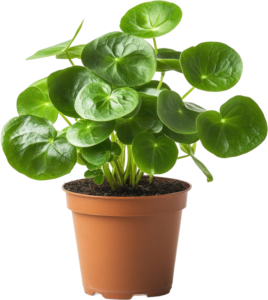 The Chinese Money Plant (Pilea peperomioides) has earned its reputation as one of the trendiest houseplants around. With its whimsical round leaves perched on slender stems, it’s often called the “pancake plant” or “UFO plant.” Beyond its playful look, this plant is a symbol of prosperity, making it a favorite gift among friends and family. But don’t let its stylish reputation fool you—this is a beginner-friendly houseplant that’s surprisingly easy to grow. Once you learn its simple needs, you’ll discover why the Chinese Money Plant is beloved by plant parents worldwide.
Quick Facts
| Category | Details |
|---|---|
| Light | Bright, indirect light |
| Watering | When top 1–2″ of soil is dry |
| Soil Type | Well-draining potting mix |
| Humidity | Average home humidity |
| Fertilizer | Balanced liquid feed monthly in growing season |
| Propagation | By removing and replanting “pups” or stem cuttings |
Care Tips
Light
Chinese Money Plants thrive in bright, indirect light. Place near an east-facing window or a few feet back from a south or west window. Too much direct sun can scorch the leaves, while too little will lead to leggy growth. Rotate your plant weekly so it develops a full, symmetrical shape.
Watering
Water when the top inch or two of soil feels dry. The Pilea doesn’t like soggy soil, so always check before watering. Reduce watering in winter when growth slows. Leaves drooping? That usually means it’s thirsty. Yellowing? You may be overwatering.
Soil
A well-draining potting mix is essential. A blend with added perlite or sand keeps roots from sitting in water.
Humidity
The Chinese Money Plant adapts well to normal household humidity, though it will appreciate a little extra moisture in dry climates.
Fertilizer
During spring and summer, feed monthly with a balanced liquid fertilizer diluted to half strength. Skip fertilizing in winter.
Propagation
One of the joys of owning a Pilea is how generous it is with “pups.” These baby plants pop up from the soil around the base. Simply remove them once they’re a few inches tall and repot to share with friends.
Troubleshooting
Yellow leaves: Usually overwatering. Let soil dry more thoroughly.
Leggy stems: Not enough light. Move to a brighter location.
Drooping leaves: Often a sign it needs water.
Brown spots: Can be from direct sun or inconsistent watering.
Styling Ideas
With its playful leaves and compact shape, the Chinese Money Plant looks fantastic in modern ceramic pots, on shelves, or grouped with other leafy plants. Its symbolism as a good-luck plant makes it a meaningful addition to desks and entryways.
Related Resources:
to come
👉 Explore more guides in the Happy Houseplant Encyclopedia.