Aloe Vera Care Guide
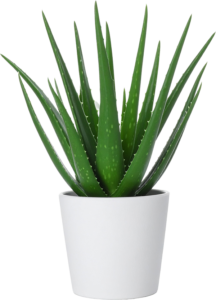
Aloe Vera is one of the most iconic houseplants, prized not only for its striking, spiky appearance but also for its healing properties. Known as the “plant of immortality” in ancient cultures, Aloe has been used for centuries for soothing burns, cuts, and skin irritation. Beyond its medicinal uses, Aloe Vera is a low-maintenance succulent that thrives indoors with minimal attention. Perfect for beginners, this hardy plant rewards you with lush green leaves and practical benefits.
Quick Facts
| Category | Details |
|---|---|
| Light | Bright, direct to indirect light |
| Watering | Every 2–3 weeks; allow soil to fully dry |
| Soil Type | Sandy, well-draining succulent mix |
| Humidity | Low; thrives in dry air |
| Fertilizer | Succulent fertilizer every 6–8 weeks in spring/summer |
| Propagation | Offsets (pups) from base of plant |
Care Tips
Light
Aloe Vera thrives in bright, sunny spots. Place it near a south- or west-facing window where it can soak up several hours of sunlight. If grown indoors without sufficient light, its leaves may become leggy and pale. Outdoors, it can tolerate full sun, but introduce it gradually to avoid sunburn.
 Watering
As a succulent, Aloe Vera stores water in its leaves and is highly drought tolerant. Water every 2–3 weeks, allowing the soil to completely dry between waterings. During winter, reduce watering to once a month. Overwatering is the most common mistake—yellow, mushy leaves signal too much moisture.
Soil
Aloe Vera demands sharp drainage. Use a sandy cactus or succulent mix, or amend potting soil with perlite and coarse sand. Ensure the pot has drainage holes to prevent root rot.
Humidity
This desert native prefers dry conditions and doesn’t need misting. Normal household air is perfectly fine, making it a low-maintenance choice for any climate-controlled home.
Fertilizer
Feed Aloe Vera with a diluted succulent fertilizer every 6–8 weeks during spring and summer. Avoid fertilizing in fall and winter when the plant is naturally dormant.
Propagation
Aloe Vera produces offsets, known as pups, around its base. Simply separate them with a clean knife and replant in their own container with well-draining soil.
Troubleshooting
Yellow/mushy leaves: Overwatering. Cut back and repot if roots are rotting.
Brown leaf tips: Too much direct sun or inconsistent watering.
Leggy growth: Insufficient light—move to a brighter window.
Styling Ideas
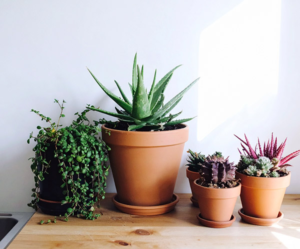
Display Aloe Vera in terracotta pots to complement its desert vibe. Group it with other succulents for a striking arrangement, or keep one on your kitchen windowsill for quick access to its soothing gel.
Related Resources:
Best Succulents for Indoors: Top 12 Low-Maintenance Houseplants
Top 10 Easy Houseplants for Beginners (Low-Maintenance Indoor Plants You’ll Love)
👉 Explore more guides in the Happy Houseplant Encyclopedia.