
Boston Fern Care Guide
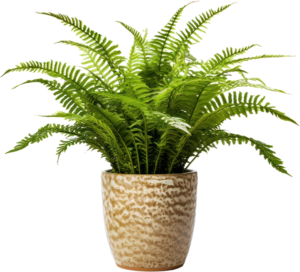
The Boston Fern (Nephrolepis exaltata) is a timeless classic in the houseplant world, instantly recognizable for its lush, feathery fronds that cascade beautifully from hanging baskets or pots. Popular since the Victorian era, this fern is a favorite for adding a touch of elegance and softness to indoor spaces. While it does require a bit more attention than some beginner-friendly plants, its beauty is worth the effort. With the right humidity, lighting, and care, your Boston Fern can thrive and bring vibrant greenery into your home year-round.
Quick Facts
| Category | Details |
|---|---|
| Light | Bright, indirect light; avoid direct sun |
| Watering | Keep soil evenly moist; never let dry out completely |
| Soil Type | Rich, well-draining potting mix with peat or compost |
| Humidity | High (50–80%); benefits from regular misting |
| Fertilizer | Balanced, diluted feed every 4 weeks in spring/summer |
| Propagation | Division of root clumps in spring |
Care Tips
Light Requirements
Boston Ferns thrive in bright, indirect light. Place them near a north- or east-facing window where they’ll get consistent, soft light without harsh sun rays that can scorch their fronds.
Watering
Consistency is key. The soil should always feel slightly damp to the touch, but never soggy. Check often and water thoroughly when the top inch begins to dry. Avoid letting it dry out completely, as ferns are quick to show stress.
Soil Needs
Use a peat-based, well-draining mix that retains moisture without becoming waterlogged. Adding compost or perlite can improve aeration.
Humidity
Boston Ferns crave humidity. Aim for 50–80%. Grouping with other plants, using a pebble tray, or running a humidifier can help keep conditions ideal.
Fertilizing
Feed with a balanced, water-soluble fertilizer diluted to half strength every month during the growing season (spring through early fall). Avoid feeding in winter.
Propagation
Divide the root ball in spring when repotting. Simply separate clumps with healthy fronds and repot into fresh soil.
Troubleshooting
Brown leaf tips: Air too dry; increase humidity.
Yellowing fronds: Overwatering or poor drainage.
Sparse growth: Not enough light or nutrients.
Styling Ideas
Boston Ferns look stunning in hanging baskets where their fronds can trail dramatically. They also work well as pedestal plants in classic or bohemian-inspired interiors. Pair them with other humidity-loving plants like Calatheas or Peace Lilies for a mini indoor jungle vibe.
Related Resources
to come
👉 Explore more guides in the Happy Houseplant Encyclopedia.
(All images by rawpixel.com)