Cast Iron Plant Care Guide
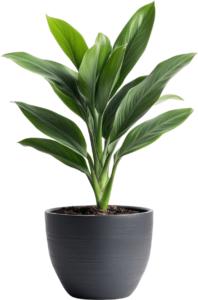 The Cast Iron Plant (Aspidistra elatior) has earned its name for a reason—it’s practically indestructible. This slow-growing, deep-green foliage plant has been a staple in homes since the Victorian era, loved for its elegant upright leaves and unmatched ability to survive neglect. If you’re the type to forget watering schedules or have a home with low light, this plant may become your new best friend. Perfect for offices, shady corners, or apartments with limited natural light, the Cast Iron Plant proves that low-maintenance doesn’t have to mean boring.
Quick Facts
| Category | Details |
|---|---|
| Light | Low to moderate, indirect |
| Watering | Allow soil to dry halfway before watering |
| Soil Type | Well-draining potting mix |
| Humidity | Average household humidity |
| Fertilizer | Balanced liquid feed every 6–8 weeks (spring–summer) |
| Propagation | Division of rhizomes |
Care Tips
Light
Cast Iron Plants thrive in low to moderate light, making them ideal for dim spaces where other plants might fail. Avoid direct sunlight, which can scorch their leaves.
Watering
This plant prefers a “less is more” approach. Water only when the top 2–3 inches of soil are dry. Overwatering is the most common issue, so always check soil moisture before adding water.
Soil
Use a well-draining potting mix, ideally one designed for houseplants. A mix with peat moss, perlite, and compost works well.
Humidity
Average household humidity is fine, though the plant won’t mind a little extra moisture in the air. It adapts well to dry environments, making it excellent for climates with cold winters.
Fertilizer
Feed lightly during the growing season (spring through summer) with a balanced liquid houseplant fertilizer every 6–8 weeks. Hold off during the fall and winter months.
Propagation
The Cast Iron Plant is propagated through rhizome division. When repotting, separate a healthy clump with roots attached and pot it up.
Troubleshooting
Yellow leaves: Usually a sign of overwatering.
Brown leaf tips: Could indicate underwatering or too much fertilizer.
Slow growth: Normal, as this plant is naturally slow-growing.
Styling Ideas
The Cast Iron Plant’s upright leaves make it a great floor plant for corners or entryways. Pair it with bold-leafed plants like Monstera or Bird of Paradise for contrast.
Related Resources
10 Best Indoor Plants for Low-Light Rooms
👉 Explore more guides in the Happy Houseplant Encyclopedia.
(All images by rawpixel.com)