Echeveria Care Guide
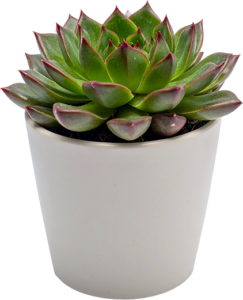 The Echeveria is a stunning rosette-forming succulent prized for its symmetrical, flower-like shape and vibrant leaf colors. Available in shades of green, purple, blue, and even pink, these succulents add elegance to windowsills, desks, and container gardens. While hardy and drought-tolerant, Echeverias need bright light and careful watering to maintain their compact, photogenic form. With minimal effort, they reward you with long-lasting beauty and occasional tall flower spikes in spring or summer.
Quick Facts
| Category | Details |
|---|---|
| Light | Bright, direct sunlight (6+ hrs/day) |
| Watering | Every 2–3 weeks; dry soil between waterings |
| Soil Type | Gritty, well-draining cactus mix |
| Humidity | Low; dry air preferred |
| Fertilizer | Succulent fertilizer every 4–6 weeks in spring/summer |
| Propagation | Leaf cuttings, offsets, or seeds |
Care Tips
Light
Echeverias need bright, direct sunlight for at least 6 hours daily. Place them in a sunny windowsill or under a grow light if indoors. Without enough sun, they stretch and lose their compact shape.
Watering
Follow the “soak and dry” method: water thoroughly, then allow soil to dry out completely. Overwatering is the main cause of Echeveria death. Reduce watering frequency in winter.
Soil
Plant in a gritty cactus mix with added pumice or perlite for excellent drainage. Terracotta pots are ideal since they allow soil to dry faster.
Humidity & Temperature
These desert natives prefer low humidity and warm temps (65–85°F). They can tolerate cooler temps but must stay above 40°F.
Fertilizer
During active growth (spring/summer), feed with a succulent fertilizer diluted to half strength once a month. Skip feeding in dormancy.
Propagation
Echeverias are fun to propagate! Remove a healthy leaf, let it callus, and place it on dry soil. New rosettes will sprout at the base. You can also separate offsets (“pups”) from the mother plant.
Troubleshooting
Leggy growth: Not enough sunlight.
Mushy leaves: Overwatering or poor drainage.
Dry, crispy leaves: Natural aging or underwatering.
Styling Ideas
Echeverias look amazing in succulent arrangements or displayed individually in small terracotta pots. Mix multiple colors for a living “bouquet.”
Related Resources
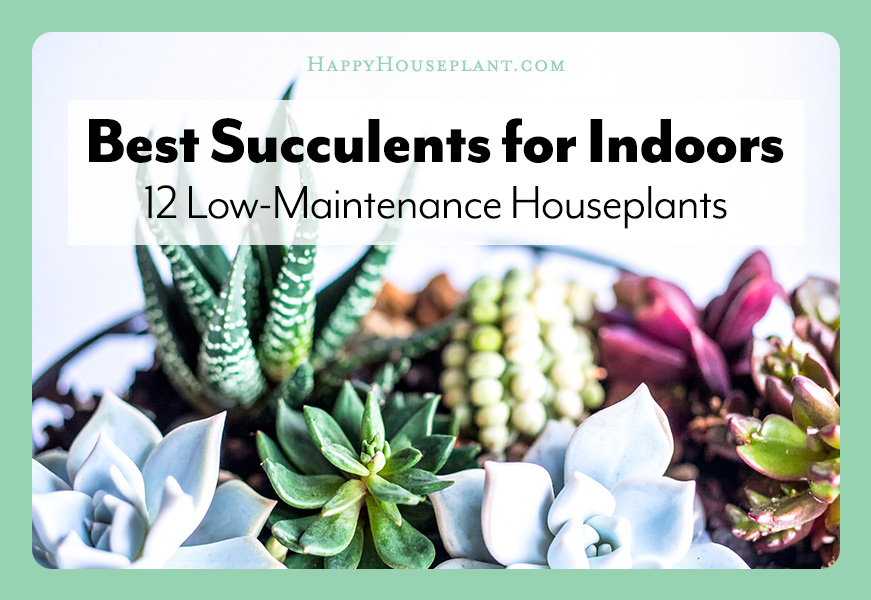
Best Succulents for Indoors: Top 12 Low-Maintenance Houseplants
👉 Explore more guides in the Happy Houseplant Encyclopedia.