Kentia Palm Care Guide
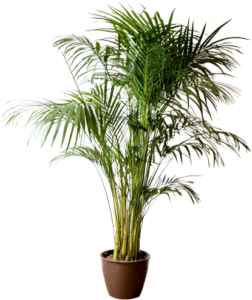 The Kentia Palm (Howea forsteriana) is the epitome of elegance in the plant world. With its tall, arching fronds and tropical vibe, it has long been a favorite for homes, offices, and even luxury hotels. Unlike some palms, the Kentia is remarkably forgiving, making it a sophisticated yet low-maintenance choice for indoor gardeners. Known for its resilience and slow growth, it can adapt to lower light conditions and adds instant drama and height to any room.
Quick Facts
| Category | Details |
|---|---|
| Light | Low to bright, indirect light |
| Watering | Let soil dry 1–2 inches between waterings |
| Soil Type | Well-draining palm or houseplant mix |
| Humidity | Average to slightly above-average |
| Fertilizer | Palm fertilizer every 6–8 weeks (spring–summer) |
| Propagation | Rarely propagated; grown from seed (not practical at home) |
Care Tips
Light
Kentia Palms tolerate low to medium light, though they grow faster and fuller with bright, indirect light. Avoid harsh direct sun, which can burn the fronds.
 Watering
Water thoroughly when the top 1–2 inches of soil are dry. Be cautious not to overwater—root rot is a common problem.
Soil
Use a well-draining palm or houseplant mix. Adding sand or perlite helps improve drainage.
Humidity
Kentia Palms do well in average household humidity but will appreciate an occasional misting in drier environments.
Fertilizer
Feed with a palm-specific fertilizer every 6–8 weeks during spring and summer. Hold off in the dormant fall and winter months.
Propagation
Propagation at home is rarely successful since Kentias are typically grown from seed, which requires special conditions.
Troubleshooting
Brown tips: Often due to low humidity or inconsistent watering.
Yellowing fronds: Could be a sign of overwatering.
Slow growth: Normal—Kentia Palms grow very slowly.
Styling Ideas
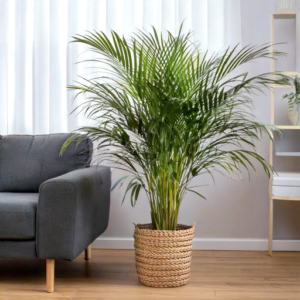
With their tall, sweeping fronds, Kentia Palms are perfect for filling vertical space in living rooms, foyers, or offices. They also work well in decorative floor planters.
Related Resources
to come
👉 Explore more guides in the Happy Houseplant Encyclopedia.