Spider Plant Care Guide
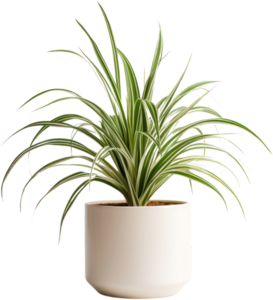
The Spider Plant (Chlorophytum comosum) is a cheerful, beginner-friendly houseplant known for its arching green-and-white striped leaves and playful “spiderettes” that dangle like living ornaments. It’s one of the most adaptable indoor plants, thriving in a variety of conditions and bouncing back quickly from neglect. Spider Plants are especially popular because they’re non-toxic to pets, easy to propagate, and excellent at filtering indoor air.
Whether you hang them in a macrame basket or let them spill over a bookshelf, Spider Plants bring movement and texture to any space. With a reputation for being almost impossible to kill, they’re the perfect confidence-builder for new plant parents.
Quick Facts
| Category | Details |
|---|---|
| Light | Bright, indirect light; tolerates low light |
| Watering | Water when top 1–2″ soil dries; prefers evenly moist soil |
| Soil Type | Well-draining, general-purpose potting mix |
| Humidity | Average to high humidity |
| Fertilizer | Balanced liquid fertilizer every 4–6 weeks during spring/summer |
| Propagation | Plantlets (spiderettes) easily root in water or soil |
Care Tips
Light
Spider Plants prefer bright, indirect light but tolerate lower light levels, making them versatile for any home. Direct sun can scorch their leaves, so keep them away from harsh afternoon rays.
 Watering
Keep soil consistently moist but not soggy. Allow the top inch to dry out before watering again. Brown leaf tips can signal inconsistent watering, low humidity, or fluoride in tap water—switching to filtered or distilled water often helps.
Soil
A well-draining, peat-based potting mix works best. Repot every 1–2 years when roots become crowded.
Humidity
Spider Plants appreciate moderate humidity but tolerate average household conditions. Misting occasionally or grouping with other plants can improve their overall health.
Fertilizer
Feed lightly every 4–6 weeks during spring and summer. Too much fertilizer can cause brown tips.
Propagation
The easiest houseplant to propagate, Spider Plants grow baby “spiderettes” that dangle from long stems. Simply cut and root them in water or plant directly in soil.
Troubleshooting
Brown Tips: Often caused by fluoride in tap water or fertilizer buildup. Use filtered water and flush soil occasionally.
Pale Leaves: Indicates low light; move closer to a window.
Root Bound: Roots circling inside the pot can stress the plant—repot when necessary.
Styling Ideas
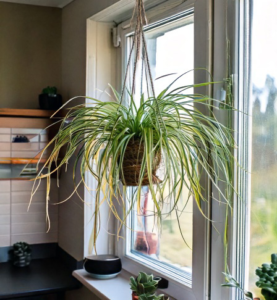
Spider Plants shine in hanging baskets or tall planters, where their cascading foliage can spill gracefully. They pair well with trailing ivy or ferns for a lush, jungle effect.
Related Resources:
10 Best Indoor Plants for Low-Light Rooms
Top 10 Easy Houseplants for Beginners (Low-Maintenance Indoor Plants You’ll Love)
👉 Explore more guides in the Happy Houseplant Encyclopedia.