Tillandsia (Air Plant) Care Guide
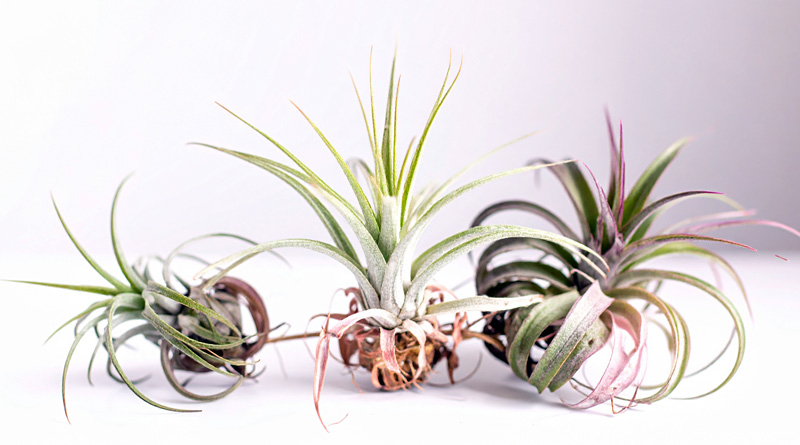
Air Plants (Tillandsia) might be the most magical-looking houseplants you’ll ever own. With no soil needed, these quirky little plants seem to live on air alone. Perfect for terrariums, mounted displays, or hanging arrangements, they add a futuristic, sculptural vibe to your home. Their low-maintenance style makes them beginner-friendly, though they do have specific needs to thrive. Whether you’re displaying them in glass globes or nestled on driftwood, learning their care will keep them looking fresh and vibrant.
Quick Facts
| Category | Details |
|---|---|
| Light | Bright, indirect light |
| Watering | Soak in water for 20–30 minutes weekly |
| Soil Type | None required |
| Humidity | Appreciates higher humidity |
| Fertilizer | Monthly liquid bromeliad fertilizer |
| Propagation | Offsets (called “pups”) |
Care Tips
Light
Air Plants need bright, indirect light. Near a window with filtered sunlight works perfectly. Avoid dark corners—they won’t thrive without enough light.
Watering
The trickiest part of air plant care is watering. Dunk or soak them in room-temperature water for 20–30 minutes once a week, then shake off excess moisture. Good air circulation is key—never let them sit in water. In dry climates, a misting in between soakings helps.
Soil
No soil needed! Air Plants absorb moisture and nutrients through their leaves.
Humidity
They love higher humidity but adapt to average homes with regular watering. Bathrooms with good light are often perfect spots.
Fertilizer
Use a bromeliad or air plant-specific fertilizer monthly, diluted to half strength, during the growing season.
Propagation
Air Plants produce pups—mini plants that grow at their base. Once the pup reaches about one-third the size of the parent, gently separate it and grow on its own.
Troubleshooting
Brown leaf tips: Not enough water or low humidity.
Mushy base: Too much water or poor air circulation.
Dull color: Needs more light or fertilizer.
Styling Ideas
Air Plants shine in creative displays: hanging globes, mounted on driftwood, tucked into shells, or grouped in terrariums. They’re the ultimate “conversation starter” plants.
Related Resources:
to come
👉 Explore more guides in the Happy Houseplant Encyclopedia.