The Ultimate Guide to Houseplant Care for Beginners
Table of Contents
Why Start with Beginner-Friendly Houseplants?
Getting started with houseplant care for beginners doesn’t have to be intimidating. The trick is choosing plants that forgive a missed watering, adapt to different light levels, and don’t demand much fuss. With the right knowledge, you can grow a thriving indoor jungle—even if your schedule is hectic.
Understanding Light for Houseplants
Light is the #1 factor in plant health.
- Low light plants like ZZ plant and peace lily thrive in dim corners.
- Medium light plants like pothos do well near east-facing windows.
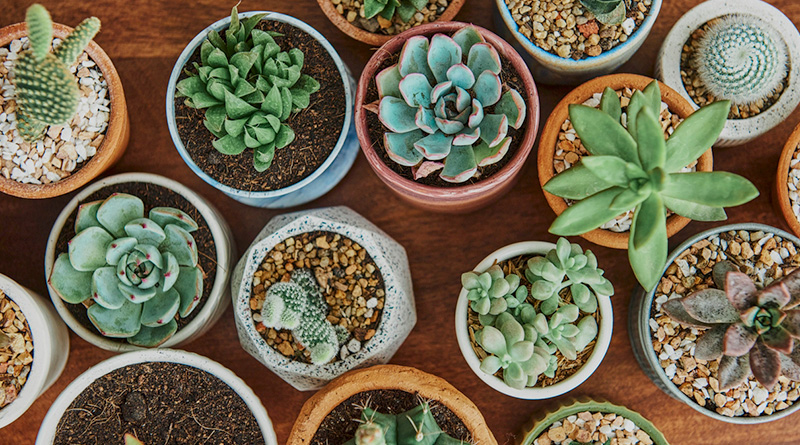
- Bright light plants like succulents and cacti love sunny south-facing spots.
If your home lacks natural light, grow lights are a game-changer. Full-spectrum LED lights mimic daylight and can help your plants thrive year-round.
Further reading: 10 Best Indoor Plants for Low-Light Rooms
Watering Basics: How Not to Overdo It
The biggest beginner mistake? Too much love—aka overwatering. Most houseplants prefer drying out slightly between waterings.
- Check the soil: Stick a finger an inch deep; water only if dry.
- Use the soak and drain method: Water thoroughly, let excess drain away.
- Watch for signs: Yellowing leaves often mean overwatering; crispy edges can signal underwatering.
Further reading: How Often Should You Water Your Houseplants? The Complete Guide
Choosing the Right Soil and Potting Mix
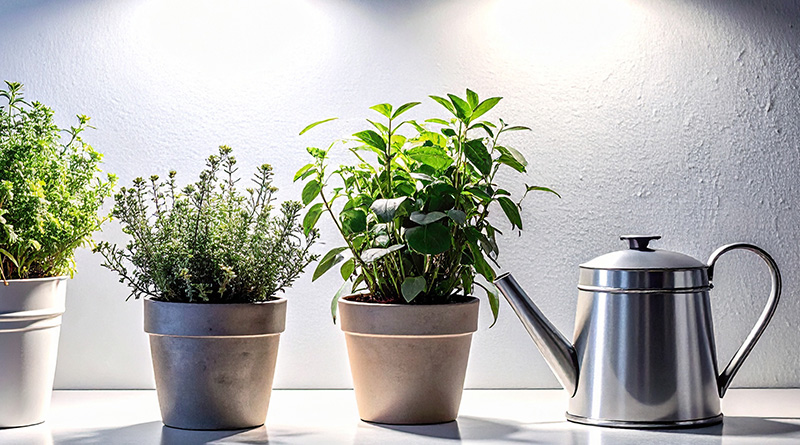
Soil is the foundation of basic houseplant care. Always choose well-draining potting mixes. For example:
- Succulents & cacti: gritty, sandy mix
- Tropical plants: peat-based mix with perlite
- General houseplants: high-quality all-purpose indoor mix
Avoid using garden soil—it compacts easily and can suffocate roots.
Flower Pots for Healthy Growth
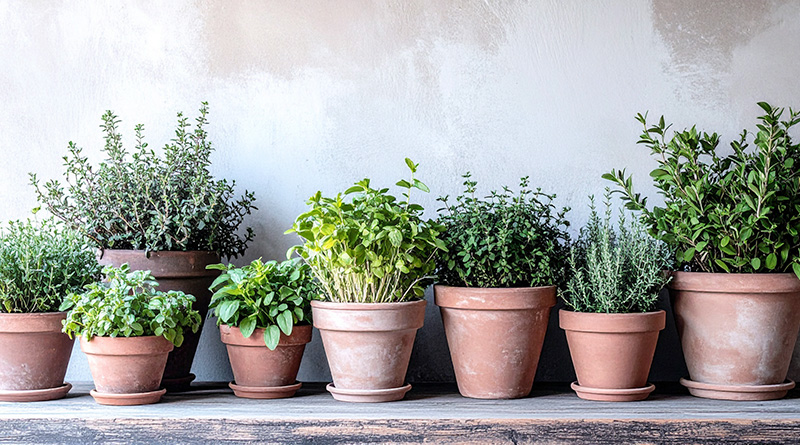
Your pot isn’t just décor—it’s life support for your plant.
- Drainage holes are essential. No exceptions.
- Terracotta: porous, prevents soggy soil—great for snake plants.
- Ceramic: stylish and moisture-retentive.
- Plastic: affordable and lightweight.
Want to keep things stylish? Slip a plastic grow pot into a decorative basket or ceramic pot.
Fertilizer 101: Feeding Your Plants the Simple Way
Fertilizer is like vitamins for your plants—but too much can burn roots. Start simple:
- Use a balanced liquid fertilizer (10-10-10 or 20-20-20).
- Apply monthly during spring and summer.
- Skip winter—plants rest during this season.
Further reading: 6 DIY Plant Fertilizer Recipes from Your Kitchen
When & How to Repot a Houseplant
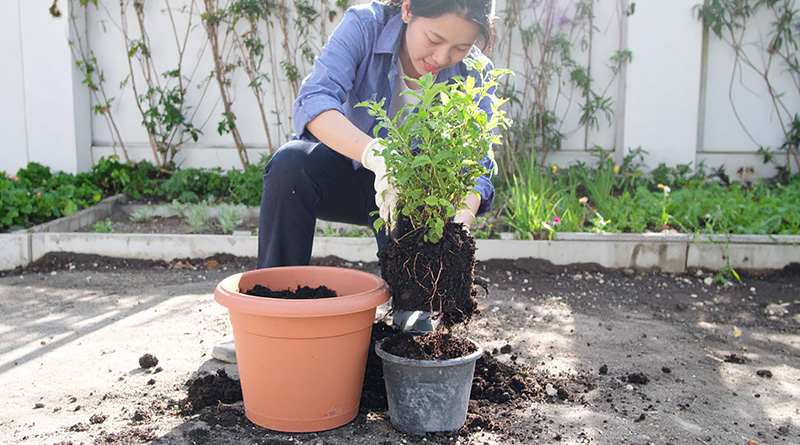
Repotting doesn’t need to be scary. Signs your plant needs it:
- Roots poking out of drainage holes
- Soil dries out too quickly
- Plant looks top-heavy
Repotting steps:
- Choose a pot 1–2 inches larger in diameter.
- Gently remove the plant from the old pot.
- Loosen roots, add fresh soil, and replant.
Common Houseplant Mistakes Beginners Make
Even easy plants suffer if given the wrong care. Watch out for:
- Overwatering
- Using pots without drainage
- Ignoring light requirements
- Fertilizing too often
Correcting these simple mistakes will instantly boost your plant success.
Further reading: The 5 Most Common Houseplant Mistakes (and How to Fix Them)
Easy Houseplants for Beginners
Some plants practically thrive on neglect. Start with:
- Snake Plant – low light, low water needs
- Pothos – fast-growing and forgiving
- ZZ Plant – almost indestructible
- Peace Lily – beautiful blooms, low light
- Spider Plant – easy propagation, air purifying
Further reading: Top 10 Easy Houseplants for Beginners (Low-Maintenance Indoor Plants You’ll Love)
Build Confidence as a Plant Parent
Mastering houseplant care for beginners is about keeping things simple: light, water, soil, and patience. Start small, avoid common mistakes, and celebrate each new leaf. Before long, you’ll be confidently expanding your collection.
👉 Ready to find your perfect plant match? Browse our Happy Houseplant Encyclopedia for more inspiration.
(Feature Image by rawpixel.com. Succulent Image by rawpixel.com. Other images by Happy Houseplant.)